




Building Safety Levy Hits Housing Viability
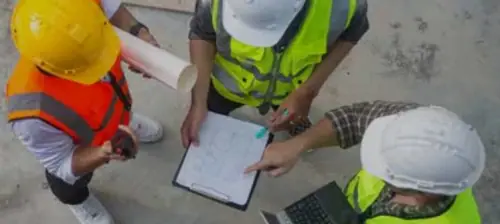
New research suggests the incoming Building Safety Levy could make more housing developments unviable, with SME builders already delaying, redesigning or cancelling schemes.
Small and medium-sized builders will also have to pay the moment the first house goes up where large developers do not. This will cause a huge cash flow problem and disincentivise these essential businesses even further.
New research from the Home Builders Federation (HBF) and Quantum Development Finance reveals widespread concern about its impact on housing delivery. It is based on a survey of SME home builders across England. It found that more than nine in ten (91%) believe the levy, due to come into force on 1 October, will make developments financially unviable. More than a third (36%) said they have already delayed, redesigned, or cancelled schemes in anticipation of its introduction.
Cost of a new home
HBF’s recent Viability Crunch report found that the cost of building a typical new home has increased by around £76,000 over the past five years. The Building Safety Levy accounts for £2,320 of this increase, alongside other taxes, levies and inflationary pressures.
SME home builders also expressed disappointment that an exemption was ruled out for medium-sized developments. Applying the charge to these sites will disproportionately affect smaller developers, many of whom have never built high-rise buildings and played no role in creating the historic building safety issues the levy is intended to address.
Unfairness
The home building industry is committed to supporting building remediation efforts, having already committed around £6 billion towards addressing historic building safety issues. However, requiring developers to make additional contributions is particularly unfair given that product manufacturers and overseas developers have yet to make equivalent financial contributions.
Assessing the harm
HBF is calling on the Government to pause the introduction of the Building Safety Levy and undertake a full assessment of its necessity and potential impact before it comes into force. This should include a clearer analysis of the remaining remediation costs and the effect the levy could have on the delivery of both private and affordable homes, particularly given that more than £2.5 billion of the existing £5.1 billion Building Safety Fund remains unallocated.
The survey highlights growing concerns that the levy will deter future investment in much-needed housing. More than two-thirds (69%) of SME builders said the Building Safety Levy would make them less likely to invest in new development opportunities, with a further 9% believing it was too early to say.
Loss of London building
The perceived impact of the Building Safety Levy is particularly acute in London, where 86.7% of respondents said it would make them less likely to invest in new development. This is especially concerning given London's persistent underperformance against housing targets, with the government's Standard Method identifying a need for around 85,000 homes a year, compared with just 32,680 delivered in the latest figures.
Respondents in other regions also expressed significant concerns about the levy reducing their ability to invest, including the West Midlands (85.7%), the South-West (82%), the East Midlands (78.9%) and Yorkshire (76.9%), highlighting the widespread impact the levy could have on housing delivery across England.
Neil Jefferson, Chief Executive of the Home Builders Federation, said: “The government has set ambitious housing targets, yet the ongoing layering on of costs onto development by successive governments has made a growing proportion of potential house building sites unviable.
“The new levy, compounded by other rising costs, tighter margins and challenging market conditions, will make even more developments unviable. SME developers are being forced to rethink investment decisions, delay sites and reduce output as costs continue to increase.”
Why us?
Jefferson added: “The home building industry is already making a substantial contribution towards the cost of remediating historic building safety issues, yet this levy places a further burden on developers who played no part in creating those problems.”
Wrong direction
Richard Hemmings, the MD of Quantum Development Finance, said: “Requiring the levy to be paid when the first home on a site completes, rather than on sale, is yet another cost SME house builders are being asked to absorb at a point in time, in both the current economy and the lifecycle of a project, when they can least afford to. If we are serious about helping SMEs deliver more housing, this is yet another shift in the wrong direction.”
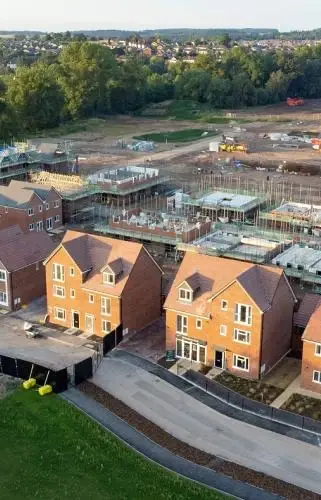
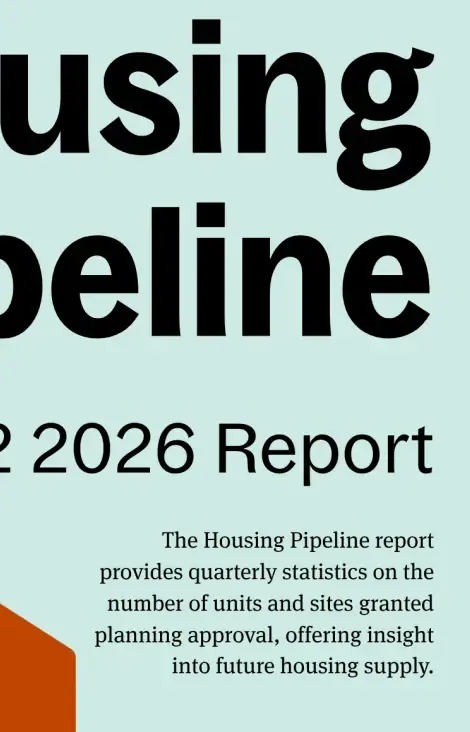
Picture: Taken from the Home Builders Federation report The Viability Crunch – Analysing the impact of policy, tax, and regulatory pressures on home building.
www.hbf.co.uk/documents/15569/HBF_Viability_Report_March_2026.pdf
Nine in ten SME builders surveyed believe the Building Safety Levy could make developments unviable, raising concerns over investment and future housing delivery.