




Reindustrialisation – What Reindustrialisation?

Make UK, the manufacturers’ association, challenged the government to have a creditable plan to reindustrialise Britain, yet the Budget fell short of delivering the changes manufacturers need to invest and grow.
Stephen Phipson CBE, the CEO of Make UK told Fabrication & Glazing Eye: “We said this Budget was the first real test of Labour’s pledge to reindustrialise Britain. They failed to address the one issue that would enable this – high industrial energy costs.
“Our industrial electricity costs are the highest in the world. As I told the Chancellor just before his Budget, this is having a ruinous effect on investment and requires urgent action. It is hugely disappointing that he didn’t listen to a sector that supports 2.6m jobs and accounts for 42% of UK exports.
“Likewise, while we welcome the slowing down of increases in the minimum wage, in general employing people remains more expensive and riskier thanks to the Employment Rights Act and higher employer NICs.”
No to political slogans
Phipson added: “This Budget has failed to address any of the fundamental costs holding back investment and growth in manufacturing. We will continue to push the government to make reindustrialisation an economic reality rather than an empty political slogan.”
Energy
Industrial electricity costs remain a major barrier to investment. Make UK applauded plans to break the link between gas and electricity prices. Phipson said: “However, manufacturers cannot afford to wait years for relief. The government must move quickly to translate these commitments into lower bills.”
The British Industrial Competitiveness Scheme (BICS) will begin supporting eligible businesses from April 2027 but most manufacturers will remain outside the scheme. The electricity Climate Change Levy freeze will not begin until April 2028. Cancelling the planned Gas Shipper Obligation avoids an additional cost but does not address the UK’s industrial electricity cost disadvantage.
Wages & lending
Phipson said: “The slower increase in the minimum wage and additional funding for the British Business Bank and National Wealth Fund are also welcome. However, these measures alone will not create the conditions for the sector to thrive.”
The 3.9% minimum-wage increase from April 2027 will continue to add to employment costs, while the employer National Insurance threshold remains unchanged.
Phipson said: “Additional apprenticeship brokerage funding is welcome, yet the Budget does not increase the maximum apprenticeship funding band to £35,000. Manufacturers have also been overlooked in business rates relief, leaving property cost pressures unresolved.”
Capex
Increasing the first-year allowance from 40% to 50% could benefit some new investment in plant and machinery, although many manufacturers already qualify for full expensing or the Annual Investment Allowance. Meanwhile, reducing the Writing Down Allowance from 14% to 12% from April 2027 will delay tax relief for affected businesses, potentially weighing on larger, long-term investment projects.
Buy British
Phipson said: Plans to strengthen the definition of a UK supplier and give greater weight to skills and social value in public procurement could create opportunities for domestic manufacturers.
“Expanded UK Export Finance eligibility and a new SME loan scheme may also help smaller businesses finance overseas orders. However, further detail is needed to determine the impact on UK manufacturing.
“Ultimately, the Budget offers some targeted benefits but does not deliver the fundamental changes in competitiveness manufacturers need. If the government is serious about reindustrialising Britain, it must take urgent action on industrial energy costs and address the wider pressures holding back investment and growth.”
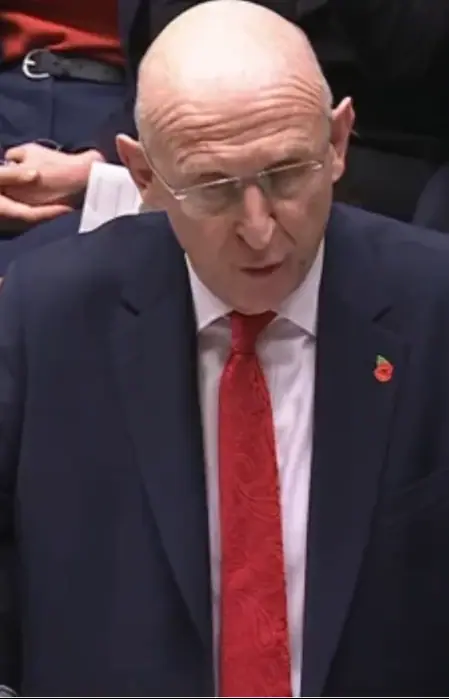
Picture: The CEO of Make UK Stephen Phipson CBE.