




Time To Finally End Harassment At Work

Everyone now has stronger protections from all forms of harassment at work with an emphasis on sexual harassment. They are enshrined in the Employment Rights Act.
The 1996 Act was updated in December 2025 with further amendments in force since 30 October 2026 with more to follow in 2027. The 2026 amendments focus on the requirement for employers to take all reasonable steps to prevent sexual and other forms of harassment.
.With nearly a quarter of adults who experience sexual harassment reporting it takes place in the workplace, these changes will oblige employers to think seriously about the risks their staff face.
Effects
Harassment can leave someone dreading their next shift, questioning whether they will be believed or feeling like they have no choice but to tolerate unacceptable behaviour to keep their job. These changes send a clear message: feeling intimidated, humiliated or unsafe should never be part of anyone’s working day.
The Office for National Statistics reports:
-
Overall, 1 in 10 people aged 16 years and over have experienced at least one form of harassment that made them feel upset, distressed or threatened in the previous 12 months.
-
More women (13%) than men (7%) experienced at least one form of harassment. This reflects differential experiences of sexual harassment (experienced by 8% of women compared with 3% of men).
-
Experiences of harassment are more prevalent among younger age groups, with one in five 16-19-year-olds (20%) and 20-24-year-olds (21%) having experienced at least one type of harassment in the previous 12 months.
-
Three quarters (75%) of victims of harassment experienced this behaviour in person, whereas approximately one in five experienced it online (21%).
-
A quarter (26%) of those who had experienced sexual harassment said they had experienced harassment at their place of work.
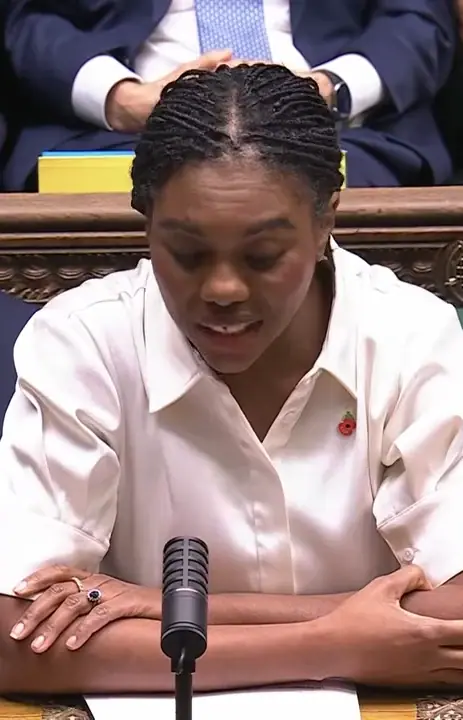
Minister for the Future of Work, Kate Dearden said:
“No one should have to put up with sexual harassment. Now employers must start taking stronger action to protect their staff, listening when people speak up and acting before problems emerge.
“Employers must take all reasonable steps to prevent sexual harassment of their staff before it occurs. This could include practical measures like having a clear reporting policy or training staff on handling difficult situations.
“Protections have also been strengthened for workers facing all forms of harassment from third parties. Going beyond protections for harassment between colleagues, this will now apply to clients and customers too.”
Minister for Women and Equalities, Bridget Phillipson said:
“Too many women are being forced to live smaller lives because of the scourge of misogyny. That includes in the workplace.
“Strengthening the law to better protect women at work is an essential step as we work to shift attitudes and build a society where women can live freely not cowed by harassment and abuse.”
Unions
Trade unions also have strengthened rights, as well as stronger rights to access workplaces and secure recognition. These form part of the Labour Party’s ‘resetting’ industrial relations and will allow trade unions to educate people about their rights, support conversations between employers and workers and resolve issues before they escalate.
Picture with thanks to Pixabay: Women are harassed at work twice as much as men.
Guidance on changes to the law on prevention of sexual harassment can be found here.
Further details about the changes to workplace rights as part of the Employment Rights Act can be found here:
There will be a crackdown on sexual harassment in the workplace, with employers required to take all reasonable steps to prevent it.
More To Read
Too Many Unsatisfactory Fire Safety Inspections


The Weakest Link